
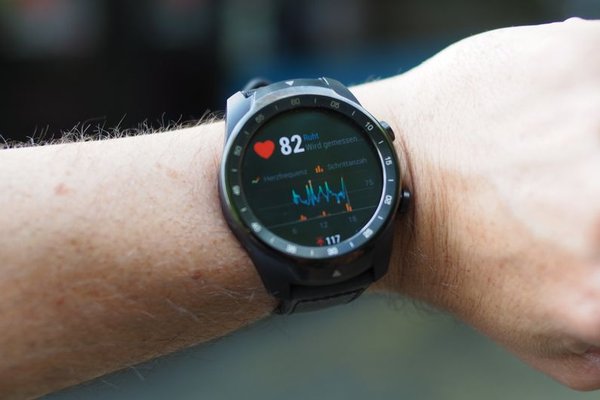
Your smartwatch says your heart rate is 148 beats per minute halfway through a run. A minute later, it reports 172, even though you have not sped up. Which number should you believe? Smartwatch heart rate accuracy depends on more than the brand on your wrist. Fit, movement, temperature, exercise type and the way the sensor works can all change the result.
For most people, a smartwatch pulse monitor is useful for spotting daily patterns and guiding ordinary workouts. It is less dependable when every beat matters, particularly during rapid changes in effort or when evaluating possible heart problems.
How accurate are smartwatch heart rate readings?
Modern wrist-based monitors often track heart rate reasonably well at rest and during steady activities such as walking or continuous running. Accuracy is less consistent during weightlifting, intervals and activities involving gripping or unpredictable arm movements. Different models can also perform quite differently under the same conditions.
A systematic review published in the Journal of Sports Sciences in 2020 found small average differences between wrist devices and reference measurements during rest, sleep and treadmill activity, but larger differences during resistance training and cycling. That does not mean every individual reading was nearly perfect: positive and negative errors can cancel each other out in an average.
How the optical heart rate sensor works
Most watches use photoplethysmography, often shortened to PPG. An optical heart rate sensor shines light into the skin and measures tiny changes in reflected light as blood volume changes with each pulse. Software converts those repeating changes into an estimated heart rate, usually displayed in beats per minute.
This differs from an electrocardiogram, or ECG, which records electrical signals associated with heartbeats. Optical sensing is convenient because it can run repeatedly without chest electrodes, but the light-based signal is vulnerable to movement and poor skin contact.
What affects wrist heart rate accuracy?
Band fit and sensor position
A loose watch can shift and let light leak into the sensor. Wearing it directly over the wrist bone may also interfere with contact. Position the case slightly above the wrist bone, toward your elbow, and tighten the band until it stays put without pinching. Loosen it again after your workout if needed.
Exercise and hand movement
Steady running often produces a cleaner signal than kettlebell swings, tennis or strength training. Gripping handlebars or weights changes tension around the wrist, while repeated jolts can confuse the sensor. Some watches may briefly display a plausible but incorrect number or take time to catch up when your heart rate rises quickly.
Temperature, circulation and skin differences
Cold conditions can reduce blood flow near the skin, making the optical signal harder to detect. Tattoos beneath the sensor may interfere with light transmission. Research on skin tone has produced mixed findings, with some studies identifying accuracy differences and others finding little effect. Performance varies by device and individual, so do not assume one person’s experience applies to everyone.
When should you trust the reading?
Think of reliability in three situations. At rest, a watch is often helpful for observing your usual range and longer-term trends. During steady aerobic exercise, it can provide a workable guide to effort if readings look stable. During short sprints or activities with heavy wrist movement, a displayed number deserves more skepticism.
For example, suppose you are alternating 30-second hard cycling intervals with easy recovery. Your watch might still show 120 bpm several seconds after a hard interval begins, then jump as you slow down. The lag can make precise heart-rate-zone training frustrating even if the session’s overall graph looks reasonable.
Chest strap vs smartwatch: which is more reliable?
A typical heart-rate chest strap detects electrical signals rather than relying on reflected light at the wrist. Properly fitted electrical chest straps generally respond more reliably during rapid intensity changes and exercises that disrupt optical sensors. They are a sensible choice for interval training, performance testing or workouts where accurate timing matters.
A smartwatch is easier to wear throughout the day, may track sleep and activity alongside pulse, and usually requires less setup. For everyday fitness awareness, that convenience can matter more than a small difference in measurement accuracy.
The most practical choice is often to keep the watch for daily tracking and pair a compatible chest strap with it for demanding sessions. When shopping, compare sensor features alongside comfort in a guide to choosing a fitness smartwatch.
How to test your smartwatch’s readings
Start with a repeatable comparison rather than judging it from one surprising number. Sit quietly for several minutes, check that the band fits correctly and record the displayed heart rate. You can compare it with a manually counted pulse over a full 60 seconds while remaining still. Counting is imperfect, particularly with an irregular rhythm, but a substantial mismatch is worth rechecking.
Next, try a steady walk and note whether the trend rises and falls smoothly as your effort changes. If you have access to a compatible, properly fitted chest strap, compare both devices through several sessions, especially during the exercise where your watch seems unreliable.
Clean the sensor according to the manufacturer’s instructions, make sure the software is current and avoid placing the watch over a tattoo if another suitable location is available. A guide to improving smartwatch battery life can help balance frequent tracking against charging needs.
What smartwatch heart rate data cannot tell you
A pulse reading is not a diagnosis. An unusual number might reflect exercise, stress, illness, medication, a rhythm change or simply sensor error. Likewise, a normal-looking number does not rule out a heart condition.
If readings are repeatedly unusual or you receive an irregular-rhythm notification, discuss them with a qualified healthcare professional. They may recommend a clinical ECG or an ambulatory monitor. Seek urgent medical help for concerning symptoms such as chest pain, fainting or severe breathlessness, regardless of what the watch displays.
Frequently asked questions
Are smartwatches accurate enough for exercise?
Usually for general workout trends and steady cardio, yes. They are less reliable for brief intervals, weightlifting and exercises with substantial wrist movement. A chest strap can be better for precise training zones.
Why does my smartwatch show a sudden heart rate spike?
The watch might have mistaken motion for a pulse signal, briefly lost skin contact or taken time to process changing signals. Refit the watch and compare the reading with how you feel. Persistent unexplained spikes deserve medical advice.
Can a smartwatch detect an irregular heartbeat?
Some devices can flag possible irregular rhythms, and some include a single-lead ECG feature. Alerts are screening information, not a definitive diagnosis; clinical evaluation may be needed to confirm the cause.
Does a tighter watch improve accuracy?
A snug fit generally helps maintain contact during exercise, but excessively tight bands are unnecessary and uncomfortable. Wear the sensor just above the wrist bone and follow the manufacturer’s fit guidance.
What matters most
Smartwatch heart rate accuracy is strongest when the device fits well and your movement is predictable. Use the numbers to understand patterns, not as unquestionable measurements. For fast-paced training, consider a chest strap; for possible health concerns, rely on appropriate medical assessment rather than a wrist sensor alone.