
Water has always shaped the way civilizations grow. Cities rise near rivers, agriculture depends on reliable irrigation, and entire economies are influenced by access to clean freshwater. Yet despite how essential water is to daily life, many parts of the world now face increasing pressure from droughts, population growth, pollution, and aging infrastructure.
This growing strain has pushed governments, researchers, engineers, and environmental planners to rethink how water is managed. The result is a wave of innovation that is quietly transforming everything from household plumbing systems to large-scale urban infrastructure. Modern water conservation technologies are no longer limited to simple low-flow fixtures or public awareness campaigns. They now involve artificial intelligence, smart monitoring systems, atmospheric water harvesting, advanced recycling methods, and precision agriculture.
What makes this shift particularly interesting is how deeply connected water conservation has become to broader conversations about sustainability, climate resilience, and resource management. Water technology today is not simply about using less water. It is about using water more intelligently.
The Growing Need for Smarter Water Use
Freshwater resources may seem abundant at first glance, but only a very small percentage of Earth’s water supply is actually suitable for human use. Population growth, industrial expansion, and climate instability have intensified pressure on already limited supplies.
Many cities now face recurring water shortages during dry seasons. Agricultural regions struggle with declining groundwater levels. In some places, decades-old infrastructure loses enormous amounts of water through leaks before it even reaches homes or businesses.
These challenges have made efficiency a global priority.
Unlike earlier conservation efforts that relied heavily on behavioral changes alone, modern solutions increasingly depend on technology-driven systems capable of monitoring, predicting, and optimizing water usage automatically. The emphasis has shifted from simply reducing consumption to creating smarter and more adaptive water networks.
That transition is changing how communities think about water itself.
Smart Water Monitoring Systems
One of the most important developments in water conservation technologies involves real-time monitoring systems. Traditional water infrastructure often provided very limited information about consumption patterns or system inefficiencies. Problems could remain hidden for months before detection.
Smart sensors are changing that reality.
Modern water monitoring systems use connected devices to track usage, pressure levels, flow rates, and potential leaks throughout residential, commercial, and municipal networks. In some cases, homeowners receive smartphone alerts when unusual water activity suggests a hidden leak or pipe issue.
For cities, these technologies are especially valuable. Water utilities can now detect underground leaks much earlier, reducing massive water losses that previously went unnoticed. Some systems even use artificial intelligence to predict infrastructure failures before they happen.
The idea may sound highly technical, but the practical impact is straightforward: less waste, lower maintenance costs, and more reliable water distribution.
As urban populations continue growing, smart monitoring will likely become a standard feature of modern infrastructure rather than an optional upgrade.
Precision Irrigation in Agriculture
Agriculture accounts for a significant share of global freshwater use, making irrigation efficiency one of the most critical areas for innovation.
Older irrigation methods often relied on broad water distribution across entire fields, regardless of whether all areas actually needed moisture. This approach wasted enormous amounts of water through evaporation, runoff, and overwatering.
Precision irrigation systems operate very differently.
Modern farms increasingly use soil moisture sensors, satellite imaging, weather forecasting tools, and automated drip irrigation systems to deliver water only where and when it is necessary. Some farms even use drones to monitor crop health and identify areas requiring specific hydration levels.
Artificial intelligence is beginning to play a role as well. Machine learning systems can analyze weather patterns, soil conditions, and plant growth cycles to optimize irrigation schedules automatically.
The result is not only reduced water usage but often healthier crops and improved yields.
Interestingly, many of these technologies are scalable. While advanced systems may appear most common in industrial agriculture, smaller farms and community-based agricultural projects are gradually adopting simplified versions as equipment becomes more affordable.
Water Recycling and Greywater Systems
Water recycling has evolved far beyond traditional wastewater treatment plants.
Greywater systems, which reuse lightly used water from sinks, showers, and laundry machines, are becoming increasingly common in sustainable building design. Instead of sending all household wastewater directly into sewage systems, greywater can be filtered and reused for irrigation, toilet flushing, or landscape maintenance.
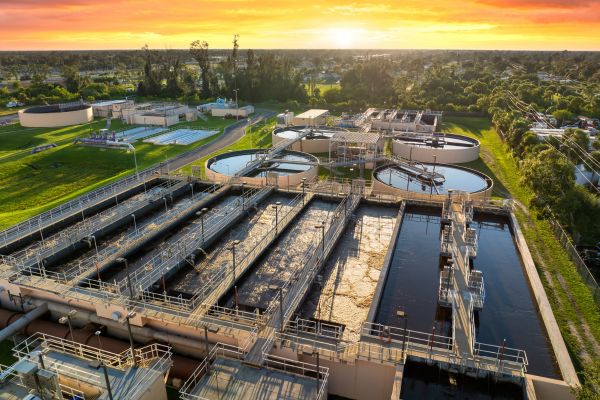
Large-scale water recycling facilities are also expanding in urban areas. Advanced treatment technologies now allow wastewater to be purified to extremely high standards, in some cases suitable for drinking water supplies after extensive processing.
Public acceptance of recycled water varies depending on region and cultural attitudes, but technology itself has improved dramatically. Modern purification systems use sophisticated filtration, ultraviolet disinfection, and membrane treatment methods capable of removing contaminants with remarkable precision.
As freshwater stress intensifies, water recycling is gradually shifting from an alternative option to an increasingly necessary component of urban planning.
Atmospheric Water Harvesting
One of the more fascinating developments in water conservation technologies involves extracting moisture directly from the atmosphere.
Atmospheric water harvesting systems collect humidity from air and convert it into usable water through condensation processes. While the concept is not entirely new, recent improvements in materials science and energy efficiency have made these systems more practical.
Some technologies function similarly to dehumidifiers, while others use specialized absorbent materials capable of pulling moisture from dry air even in low-humidity environments.
Researchers are particularly interested in using these systems in remote or drought-prone regions where traditional water infrastructure is limited. Portable atmospheric water generators could eventually provide supplemental water supplies for communities facing chronic shortages.
There are still limitations, especially regarding energy consumption and production scale. Even so, the technology reflects how creatively engineers are approaching modern water challenges.
Smart Plumbing and Efficient Household Systems
Many water conservation technologies now focus directly on everyday household use.
Low-flow toilets and efficient showerheads have existed for years, but newer systems are becoming far more sophisticated. Smart faucets can monitor usage patterns and automatically reduce unnecessary flow. Some appliances now optimize water consumption based on load size, usage behavior, or real-time demand.
Leak detection systems are another growing area. Small unnoticed leaks may waste thousands of liters of water annually in a single home. Smart sensors can now identify unusual flow patterns almost immediately and shut off systems automatically if major leaks occur.
There is also growing interest in sustainable landscaping technologies. Smart irrigation systems for gardens and lawns use weather forecasts and soil sensors to prevent unnecessary watering.
Individually, these improvements may seem relatively small. Collectively, however, they can significantly reduce overall residential water demand.
Desalination Technology Is Improving
Desalination, the process of removing salt from seawater, has long been viewed as a potential solution for water scarcity. Historically, though, desalination plants required large amounts of energy and carried substantial environmental concerns.
Modern innovations are gradually improving the process.
New membrane filtration systems are becoming more energy-efficient, while renewable energy integration is helping reduce environmental impact. Some facilities now combine solar power with desalination operations to lower operational costs and emissions.
Researchers are also exploring methods for reducing the ecological effects of brine discharge, which can harm marine ecosystems if improperly managed.
Desalination remains expensive compared to many traditional freshwater sources, but technological improvements are making it increasingly viable for coastal regions facing severe water shortages.
It is unlikely to solve global water scarcity alone, but it may become one important piece of a broader conservation strategy.
Artificial Intelligence and Predictive Water Management
Artificial intelligence is beginning to influence water management in surprisingly significant ways.
AI systems can analyze enormous amounts of environmental and infrastructure data to forecast water demand, predict drought conditions, optimize reservoir management, and improve distribution efficiency.
In agriculture, AI helps determine ideal irrigation timing. In cities, it assists utilities in balancing supply and demand more effectively. Some predictive systems can even estimate future infrastructure stress based on climate projections and population growth patterns.
This shift toward predictive management represents a broader trend in sustainability technology. Instead of simply reacting to shortages or failures after they occur, modern systems increasingly aim to anticipate problems before they become severe.
That proactive approach could become essential as climate variability continues affecting global water systems.
Challenges and Limitations
Despite rapid progress, water conservation technologies still face important challenges.
Infrastructure modernization requires significant investment, especially in older cities with aging pipelines and outdated water systems. Many regions struggle to finance large-scale upgrades despite clear long-term benefits.
Accessibility is another issue. Advanced technologies are often easier to implement in wealthier communities, while regions facing the most severe water shortages may lack funding or technical support.
Energy consumption also remains a concern for certain technologies, particularly desalination and large-scale water treatment systems. Sustainability efforts must balance water conservation with broader environmental impacts.
Public awareness matters as well. Technology can improve efficiency dramatically, but long-term conservation still depends partly on human behavior and policy decisions.
The solutions are rarely simple or universal.
The Human Relationship With Water Is Changing
Perhaps the most interesting aspect of modern water conservation is how it changes the way people think about water itself.
For much of modern history, water infrastructure remained largely invisible. People turned on taps without considering how water was sourced, transported, or managed. Increasing scarcity and technological innovation are making those systems more visible and more interactive.
Smart home systems display real-time consumption data. Urban planners discuss drought resilience publicly. Farmers use satellite-driven irrigation maps. Schools teach sustainability concepts that previous generations rarely encountered.
Water is gradually shifting from something assumed to be endlessly available into something actively managed and carefully valued.
That cultural change may ultimately be as important as the technology itself.
Conclusion
Water conservation technologies are reshaping how societies manage one of their most essential resources. From intelligent monitoring systems and precision irrigation to advanced recycling methods and atmospheric water harvesting, innovation is transforming water management into a more adaptive and efficient process.
The challenges surrounding water scarcity are complex and deeply connected to climate change, urban growth, infrastructure limitations, and economic inequality. No single technology will solve every issue. Yet the rapid pace of development suggests that smarter, more sustainable water systems are becoming increasingly achievable.
What stands out most is how interconnected these innovations have become. Water conservation is no longer isolated within environmental policy alone. It now influences agriculture, architecture, urban planning, household design, and digital infrastructure.
As technology continues evolving, the future of water management may depend less on finding entirely new resources and more on learning how to use existing ones with far greater intelligence and care.