
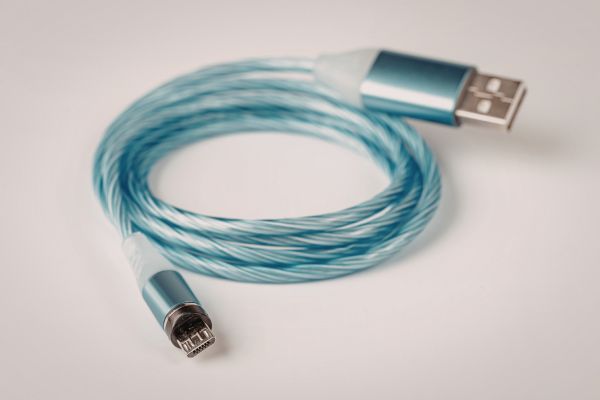
Fast charging cables have quietly become one of the most important pieces of tech we use every day. Phones get smarter, batteries get bigger, and charging speeds keep climbing—but the humble cable sitting in your bag or plugged into the wall often decides whether all that progress actually shows up in real life.
Most of us have had the experience: a phone that claims lightning-fast charging, paired with a cable that barely keeps up. Minutes turn into hours, devices warm up for no obvious reason, and the promise of “fast” feels more like a suggestion than a reality. Understanding what makes fast charging cables reliable—and why so many fall short—can save time, frustration, and more than a few dead batteries.
Why Charging Speed Depends on the Cable
Charging speed is often discussed as if it’s entirely about the charger or the device. In reality, the cable plays an equally important role. Electricity moves through a physical medium, and not all cables are built to handle high power safely or efficiently.
Fast charging cables are designed to carry higher currents without overheating or losing energy along the way. Thicker internal wires, better insulation, and higher-quality connectors all contribute to how quickly power can flow from the charger to your device. When any of those elements are compromised, charging slows down—sometimes dramatically.
This is why swapping cables can instantly change charging behavior, even when everything else stays the same. The cable isn’t just a passive connector; it’s an active participant in the process.
The Evolution of Fast Charging Standards
Fast charging didn’t arrive all at once. Early smartphones charged slowly because batteries were smaller and power demands were modest. As devices became more capable, charging technology had to evolve alongside them.
Modern fast charging relies on communication between the charger, cable, and device. They negotiate how much power can safely flow, adjusting voltage and current in real time. Fast charging cables must support these conversations while handling the electrical load without degrading.
USB-C has become central to this shift, largely because it was designed with higher power delivery in mind. But even within USB-C cables, capabilities vary widely. Some are built for basic charging, others for high-speed data, and only certain ones can truly support modern fast charging standards.
What Reliability Really Means in Daily Use
Reliability in fast charging cables isn’t just about speed. It’s about consistency over time. A reliable cable delivers the same performance on day one as it does months later, even after being coiled, bent, tossed into bags, and plugged in hundreds of times.
Poorly made cables often work fine at first, then slowly degrade. Internal wires loosen, connectors wear down, and resistance increases. Charging becomes slower, heat builds up, and devices may repeatedly disconnect and reconnect without explanation.
A reliable cable, by contrast, handles everyday abuse without dramatic changes in behavior. It charges at predictable speeds, stays cool to the touch, and doesn’t require careful positioning to work properly.
Materials Matter More Than They Look
On the surface, most charging cables look similar. The real differences are hidden inside. The quality of copper used for internal wiring affects how efficiently electricity flows. Better copper means less resistance, which translates to faster charging and less wasted energy.
Insulation is another quiet factor. High-quality insulation protects internal wires from damage and prevents interference that can disrupt charging signals. It also helps manage heat, which becomes more important as charging speeds increase.
Connector construction matters just as much. Loose or poorly plated connectors can limit power transfer and wear out quickly. Reliable fast charging cables tend to use reinforced connector housings that reduce strain where cables most often fail.
The Heat Factor and Why It Matters
Heat is one of the clearest signs of a struggling cable. All charging generates some warmth, but excessive heat usually means energy is being lost along the way. This loss often comes from resistance inside the cable.
Fast charging cables are designed to minimize this problem. By allowing power to flow more efficiently, they reduce heat buildup and protect both the device and the battery. Over time, excessive heat can shorten battery lifespan, making cable quality a long-term issue, not just a short-term convenience.
If a cable consistently gets hot during charging, it’s often a sign that it’s not handling the power demands it’s being asked to meet.
Length, Flexibility, and Practical Trade-Offs
Cable length affects charging performance more than many people realize. Longer cables introduce more resistance, which can slightly reduce charging speed. Fast charging cables compensate for this by using thicker wiring, but there are still limits.
Flexibility also plays a role. Stiff cables may protect internal wiring, but they’re more likely to be bent sharply or damaged at stress points. Highly flexible cables are easier to use but need strong internal reinforcement to remain reliable.
The most dependable cables strike a balance. They’re flexible enough for everyday comfort, yet sturdy enough to survive repeated use without internal wear that compromises charging speed.
Why Cheap Cables Often Disappoint
Low-cost cables are tempting, especially when they promise fast charging on the packaging. The problem is that many of them cut corners where it matters most. Thin wiring, minimal insulation, and weak connectors can all limit performance.
Some cables technically support fast charging but only under ideal conditions. In real-world use, they struggle to maintain consistent power delivery. Others lack proper internal safeguards, which can lead to overheating or erratic charging behavior.
The frustration comes not from outright failure, but from unpredictability. Charging speeds fluctuate, devices disconnect unexpectedly, and users are left guessing whether the issue is the phone, the charger, or the cable itself.
How Usage Habits Affect Cable Lifespan
Even the best fast charging cables are affected by how they’re used. Repeatedly pulling cables out by the wire instead of the connector strains internal connections. Tight bends near the plug create stress points that eventually fail.
Environmental factors matter too. Heat, moisture, and dust can all degrade materials over time. A cable used daily in a car faces very different challenges than one kept at a desk.
Reliable cables are built to tolerate these conditions, but mindful use still makes a difference. Small habits can extend the life of a cable and preserve its charging performance.
The Quiet Role of Certification and Testing
Behind the scenes, reliable fast charging cables go through testing to ensure they meet power and safety standards. Certification doesn’t guarantee perfection, but it does indicate that a cable has been evaluated for its ability to handle specific charging loads.
Uncertified cables may work initially, but there’s less assurance they’ll perform safely under sustained fast charging. Over time, this can lead to degraded performance or, in rare cases, damage to connected devices.
Understanding that not all cables are tested to the same standards helps explain why experiences vary so widely.
Fast Charging as a Daily Expectation
Fast charging cables are no longer a luxury. They’re part of how modern devices are designed to be used. We expect to plug in briefly and gain hours of use, not plan our day around wall outlets.
As charging speeds increase, the demands placed on cables will continue to grow. Reliability will matter even more, not just for convenience, but for protecting increasingly expensive devices and their batteries.
Choosing cables thoughtfully—and understanding what makes them work well—turns fast charging from a marketing promise into a dependable part of daily life.
A Thoughtful Ending
Fast charging cables sit at the intersection of convenience and engineering. They’re easy to overlook, yet they quietly determine how smoothly our devices fit into our routines. Speed, reliability, and longevity all depend on details most people never see, hidden beneath layers of insulation and metal.
By paying attention to how cables are built, how they behave during use, and how they hold up over time, fast charging becomes less of a gamble. Instead of wondering why a device charges slowly or inconsistently, the experience becomes predictable and stress-free.
In a world where time is always in short supply, having fast charging cables you can rely on isn’t about chasing the latest trend. It’s about removing friction from everyday moments—and letting technology quietly do what it’s supposed to do.