
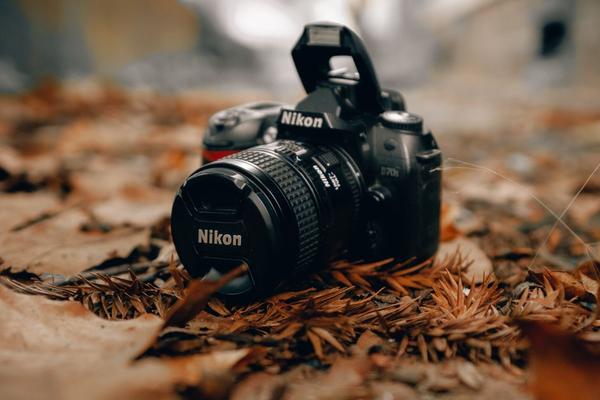
Camera shopping gets confusing when two models have similar megapixel counts but different sensor sizes. A full frame vs APS-C camera comparison is less about declaring one format superior and more about understanding what changes in your photographs, videos, lens choices and carrying weight. The right format depends on what you shoot and which compromises you can comfortably afford.
What the Sensor Size Comparison Actually Means
A full frame sensor measures approximately 36 × 24 mm, matching the imaging area of traditional 35 mm film. An APS-C sensor is smaller, typically around 23.5 × 15.6 mm, although Canon APS-C dimensions are slightly smaller. Both formats can produce professional-looking images; sensor area alone does not determine sharpness or colour quality.
The key difference is crop factor. Most APS-C systems have a 1.5× crop factor, while Canon’s mainstream APS-C cameras generally use 1.6×. A smaller sensor captures a narrower portion of the image projected by the same lens. It does not physically increase a lens’s focal length.
Field of View: Why the Same Lens Looks Different
Mount a 50 mm lens on a full-frame camera and you get its familiar standard-lens angle of view. Put that same focal length on a 1.5× APS-C camera and the framing resembles a 75 mm lens on full frame. On a 1.6× Canon APS-C body, it resembles 80 mm.
This matters more than many specification differences. A landscape photographer may appreciate how easily full frame accommodates a broad scene. A bird photographer may prefer the tighter framing of a crop sensor camera when using the same telephoto lens from the same position.
Image Quality and Low-Light Performance
With comparable sensor technology, resolution and exposure conditions, a larger sensor can collect more total light for a similarly framed image. That can translate into cleaner shadows, less visible noise at high ISO settings and more flexibility when editing underexposed files. This makes full frame attractive for weddings, indoor events and night photography. However, sensor age and design also affect results.
Consider photographing a dim restaurant. An APS-C body with a bright f/1.4 lens and reliable autofocus may deliver a better result than a full-frame body paired with a slow kit zoom. Before paying for a larger sensor, compare the actual camera-and-lens combinations you would use.
Depth of Field and Background Blur
Full-frame systems make shallow depth of field easier to achieve when framing the same subject similarly and shooting at the same f-number. For portraits, that can mean a softer background while keeping the person’s eyes sharp. APS-C is not incapable of beautiful blur; fast portrait lenses can create it convincingly.
For a practical comparison, a 35 mm f/1.8 lens on a 1.5× APS-C camera offers approximately the field of view of a 52.5 mm lens on full frame. For similarly framed subjects, its depth of field resembles roughly f/2.7 on full frame. These are comparison tools, not changes to the lens’s marked focal length or exposure setting.
Wildlife, Sports and the Question of Reach
APS-C earns its reputation in wildlife photography because a compact telephoto setup can give a tight field of view without requiring a longer lens. That helps when photographing distant birds, pitch-side action or animals you cannot approach.
Autofocus, burst speed and lens quality still determine how many sharp shots you get. A high-resolution full-frame camera may also crop effectively. Compare the pixels available on your subject, not only the crop factor on a specification sheet.
Body Size, Lens Weight and Total Cost
APS-C cameras and lenses are often smaller and less expensive, especially with compact lenses designed for the format. For travel, hiking or everyday photography, reducing the size of the entire kit can be more valuable than gaining marginal image-quality headroom.
Some full-frame mirrorless bodies are compact, and premium APS-C models can be costly. Compare complete systems, not labels. Wide-aperture full-frame lenses can require larger optics than their APS-C counterparts.
Price the complete kit: camera, a useful everyday zoom, the specialist lens you actually need, spare batteries and storage. Spending less on the body may leave room for a sharper or faster lens, a sturdier tripod or better lighting.
Does Sensor Format Matter for Video?
Yes, but video specifications deserve their own comparison. APS-C and Super 35-style framing are widely used for filmmaking, while full frame provides options for wider views and shallow-focus shots. Neither format guarantees better footage.
Check each camera’s recording modes carefully. Some full-frame bodies crop their sensor for particular frame rates or resolutions; others use the full width. Rolling shutter, overheating behaviour, stabilisation, autofocus, codec quality and recording limits may matter more than the sensor label.
Choose a Lens System, Not Just a Sensor
Camera mounts determine which lenses you can use, and compatibility varies by manufacturer. Some systems allow full-frame lenses on APS-C bodies without an adapter. APS-C lenses mounted on compatible full-frame bodies may trigger a crop mode or produce dark corners outside their intended image circle.
Before switching formats, make a shortlist of three lenses you expect to own. Compare their prices, size, autofocus performance and availability. Understanding lens focal lengths and choosing the right aperture will usually improve your photographs more quickly than a sensor upgrade alone.
Which Format Should You Buy?
Choose APS-C if portability and value come first
An APS-C sensor is a strong choice for travel, street photography, family photos, wildlife on a budget and creators who want a capable system they will carry. It also makes sense when choosing a cheaper body lets you afford better lenses.
Choose full frame if its strengths solve a real problem
Full frame is worth considering if you regularly shoot poorly lit events, need expansive wide-angle coverage, favour pronounced background separation or want flexibility from compatible high-end lenses. Those advantages are useful, not requirements for excellent photography.
Try both formats with equivalent fields of view before buying. Take the same portrait, indoor scene and moving subject, then inspect the results at your normal viewing size rather than only at 100% magnification.
Frequently Asked Questions
Is full frame sharper than APS-C?
Not inherently. Sharpness depends on lens quality, focus accuracy, camera movement, processing and resolution. Either sensor format can make exceptionally detailed images.
Does APS-C multiply the focal length?
No. Crop factor changes the field of view captured by the sensor. A 50 mm lens remains a 50 mm lens even when its framing resembles a longer lens on full frame.
Is APS-C good enough for professional work?
Absolutely. Professional results depend on the assignment and the complete system. Many commercial, editorial and video projects can be handled effectively with APS-C equipment.
Should I upgrade from APS-C to full frame?
Upgrade when you can identify a limitation that a larger sensor will meaningfully address. If autofocus, lighting or lens choice is your real bottleneck, fix that first.
Final Verdict
Full frame offers genuine advantages for some low-light situations, wide-angle compositions and shallow-focus images. APS-C counters with excellent image quality, potentially lighter kits and compelling value. The sensible camera is the one whose lenses, handling and performance match the photographs and videos you intend to make.