
The debate around online learning vs traditional learning has become more important than ever. A few years ago, many people still saw online education as a backup option, something useful when a classroom was not available. Today, it has become a normal part of how students, professionals, and lifelong learners build knowledge. At the same time, traditional classroom learning still holds a strong place because it offers structure, face-to-face interaction, and a sense of academic routine that many learners need.
So, which one is better? The honest answer is that it depends. Online learning and traditional learning both have strengths, weaknesses, and situations where they work best. A student preparing for university may need one kind of environment. A working adult learning a new skill may need another. A child in school, a college student, and a professional taking a certification course will not all benefit from the same approach.
Instead of treating one method as the winner, it is more useful to understand how each one works, what kind of learner it supports, and where the real differences appear.
What Online Learning Really Means
Online learning refers to education delivered through digital platforms, virtual classrooms, recorded lessons, live video sessions, online assignments, discussion forums, and learning apps. It can be fully remote or part of a blended learning model where students combine online study with in-person classes.
The biggest feature of online learning is flexibility. Students can often study from home, choose their own schedule, review lessons multiple times, and access materials from almost anywhere. This makes online education especially useful for people with busy routines, jobs, family responsibilities, or limited access to physical institutions.
However, online learning is not automatically easy. It requires discipline, time management, and self-motivation. A student may have all the materials available but still struggle if there is no routine, no accountability, or too many distractions at home.
What Traditional Learning Offers
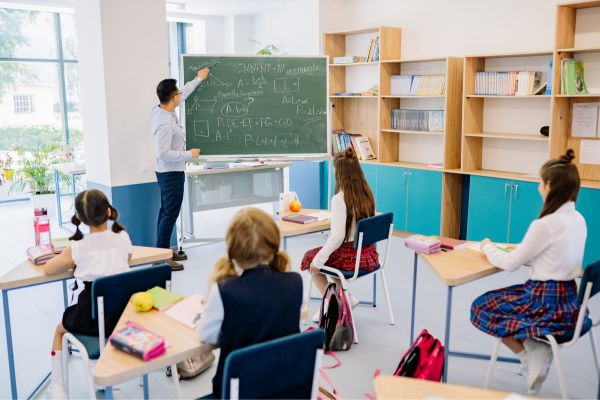
Traditional learning usually means face-to-face education in a classroom, college, training center, or university. Students attend scheduled classes, interact directly with teachers, participate in classroom discussions, and follow a fixed academic structure.
This method has been used for generations because it gives learning a clear environment. There is a room, a teacher, classmates, a timetable, and a shared rhythm. For many students, this structure helps them stay focused. They know where they need to be, what they need to do, and when tasks are due.
Traditional learning also supports social development. Students learn not only from teachers but also from classmates. They ask questions, listen to different opinions, work in groups, and build communication skills. These human interactions can be difficult to fully recreate online.
Still, traditional learning also has limits. It can be less flexible, more expensive, and harder to access for people who live far from schools or have personal responsibilities.
Flexibility and Convenience
Flexibility is one of the strongest advantages of online learning. A student can attend a class from home, watch a recorded lecture later, or study during hours that fit their schedule. This is especially helpful for working professionals, parents, remote learners, and students who cannot travel daily.
Traditional learning is more fixed. Classes happen at a specific time and place. This structure can be helpful, but it can also become restrictive. Missing a class may mean missing important information. Long commutes can take energy away from study time.
In the online learning vs traditional learning discussion, flexibility often gives online education a clear advantage. But flexibility also has a downside. When students have too much freedom, they may delay lessons, lose focus, or fall behind. Traditional learning may feel less convenient, but its fixed schedule helps many learners stay consistent.
Student Engagement and Motivation
Engagement works differently in each learning style. In a traditional classroom, students are physically present. A teacher can notice confusion, boredom, or hesitation. Class discussions happen naturally. Students may feel more pressure to participate because they are part of a shared environment.
Online learning can also be engaging, but it requires thoughtful design. Live classes, quizzes, discussion boards, interactive videos, and group projects can help students stay involved. But if online learning becomes only recorded videos and reading materials, it can feel lonely or passive.
Motivation is another key difference. Traditional learning gives students external motivation through teachers, classmates, and classroom routines. Online learning often depends more on internal motivation. A disciplined learner may thrive online. A student who needs reminders, direct supervision, and regular encouragement may struggle.
This does not mean online learning is weaker. It simply means the learner’s personality and habits matter a lot.
Quality of Interaction
One of the biggest strengths of traditional learning is face-to-face interaction. Students can ask questions immediately, read body language, join spontaneous discussions, and build relationships with teachers and classmates. These small human moments often make learning more meaningful.
Online learning offers interaction too, but it feels different. Students may communicate through video calls, chat boxes, emails, forums, or recorded feedback. For some learners, this is enough. In fact, shy students may feel more comfortable asking questions online than speaking in a crowded classroom.
However, digital interaction can sometimes feel less natural. Internet issues, delayed responses, screen fatigue, and lack of personal connection can affect the experience. A teacher’s presence in a physical classroom has a certain energy that technology cannot always match.
The best online programs try to solve this by including live sessions, peer discussions, feedback, and community spaces. Without these, online learning can become isolating.
Learning Pace and Personalization
Online learning often gives students more control over pace. They can pause a video, replay a lesson, review notes, or spend extra time on difficult topics. This is useful because not every student learns at the same speed.
Traditional learning usually moves at the pace of the class. A teacher may try to support everyone, but there are limits. Some students may feel the lesson is too fast, while others may feel it is too slow.
Personalization is one area where online learning has improved a lot. Many digital platforms now offer adaptive quizzes, progress tracking, personalized recommendations, and targeted practice. These tools can help students focus on weak areas.
Traditional learning, however, offers personalization through human judgment. A good teacher can understand a student’s mood, effort, confidence, and learning style in a way that a digital system may not. This kind of personal understanding remains valuable.
Cost and Accessibility
Online learning is often more affordable than traditional learning. Students may save money on transport, accommodation, printed materials, and campus fees. Many online courses also offer lower-cost options for professional skills, language learning, and personal development.
Traditional learning can be more expensive, especially when it involves tuition, travel, uniforms, books, or living costs. But it may also provide access to facilities that online learning cannot easily offer, such as laboratories, libraries, workshops, sports programs, and campus support services.
Accessibility is another important point. Online learning can reach students in rural areas, people with disabilities, working adults, and learners in different countries. It removes many physical barriers.
But online learning also depends on technology. A student needs a stable internet connection, a suitable device, and a quiet place to study. Without these, online education can become frustrating. So while online learning improves access for many, it can also create challenges for those without digital resources.
Discipline and Time Management
Online learning requires strong self-discipline. Since students are not always sitting in a classroom with a teacher watching, they must manage their own schedule. They need to set study hours, avoid distractions, complete assignments, and stay consistent.
This can be difficult. Home is not always an ideal learning space. Family noise, mobile phones, social media, and household responsibilities can interrupt concentration.
Traditional learning gives students a more disciplined environment. The classroom itself creates a boundary between study time and personal time. Students follow a timetable, attend classes, and complete tasks under regular supervision.
For younger students especially, this structure can be very important. Older students and professionals may manage online learning better because they already understand responsibility and time management.
Practical Skills and Hands-On Learning
Some subjects work very well online. Writing, business, marketing, programming, language learning, design theory, and many academic topics can be taught effectively through digital tools.
Other subjects need hands-on practice. Medicine, engineering labs, physical education, performing arts, technical trades, and science experiments often require physical equipment, direct supervision, and real-world practice. Traditional learning is usually stronger in these areas.
That does not mean online learning has no role in practical subjects. It can support theory, demonstrations, simulations, preparation, and review. But for certain skills, students still need physical practice and expert observation.
This is why blended learning is becoming more popular. Students may learn theory online and attend in-person sessions for practical training. In many cases, this combination offers the best of both worlds.
Social Development and Confidence
Education is not only about information. It is also about confidence, communication, teamwork, patience, and emotional growth. Traditional learning naturally supports these areas because students spend time with others.
In classrooms, students learn how to speak in front of people, work in groups, handle disagreements, and build friendships. These experiences shape personality as much as academic lessons do.
Online learning can support social development, but it requires effort. Group projects, live discussions, peer feedback, and online communities can help. Still, the experience may not feel as rich as face-to-face interaction.
For younger learners, traditional classrooms often provide important social structure. For adults, online learning may be enough, especially if their goal is specific skill development rather than social growth.
Which Learning Style Is Better?
There is no single answer. Online learning is better for flexibility, affordability, self-paced study, remote access, and professional development. Traditional learning is better for structure, direct interaction, hands-on practice, and social development.
The right choice depends on the learner’s needs. A motivated adult who wants to improve career skills may prefer online learning. A school student who needs routine and social interaction may benefit more from traditional learning. A university student in a practical field may need both.
The best approach is not always choosing one over the other. In many situations, blended learning offers the strongest solution. It combines the convenience of digital study with the human connection of classroom learning.
Conclusion
The comparison of online learning vs traditional learning is not about declaring one method perfect and the other outdated. Both have value. Both can succeed. Both can fail if they are poorly designed or used in the wrong context.
Online learning gives students freedom, flexibility, and wider access. Traditional learning gives structure, personal interaction, and a stronger sense of community. The better choice depends on the subject, the learner’s age, personal habits, available resources, and educational goals.
In the end, good learning is not defined only by location. It happens when students are engaged, supported, challenged, and encouraged to think. Whether that happens through a screen, in a classroom, or through a mix of both, the goal remains the same: real understanding, steady growth, and the confidence to keep learning.