
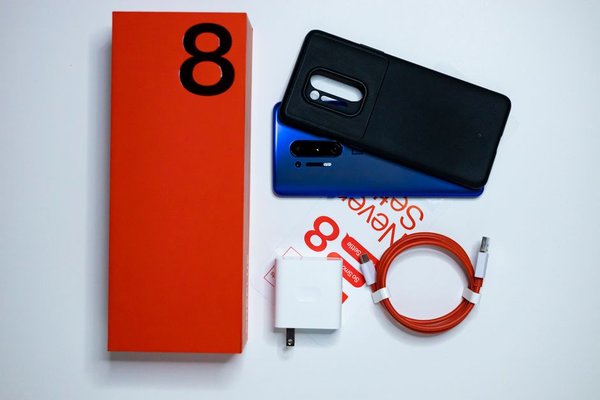
The OnePlus 13R remains easy to recommend in 2026 because it puts flagship-grade speed, a large battery, and a polished display into a phone that usually costs far less than current premium models. It is no longer the newest “flagship killer phone” available, but discounts can make its strong hardware even more attractive.
This OnePlus 13R review focuses on what matters after the launch excitement has faded: everyday performance, camera reliability, battery life, software, and the compromises to understand before buying.
OnePlus 13R specs that still feel premium
The core hardware has aged well. The phone uses Qualcomm’s Snapdragon 8 Gen 3 processor, paired with 12GB of LPDDR5X memory and fast UFS 4.0 storage in the widely available 256GB configuration. That combination remains highly capable for social apps, photo editing, multitasking, navigation, and demanding games.
The 6.78-inch ProXDR display has a 2780 x 1264 resolution and an LTPO refresh rate that can move between 1Hz and 120Hz. Text looks sharp, scrolling is fluid, and the panel can reduce its refresh rate when the screen is static to save power. The flat design also reduces accidental touches and makes screen protectors easier to fit than on curved displays.
At 206g, the OnePlus 13R is not compact. Its 6,000mAh battery and large screen suit buyers who prioritise endurance and media consumption over one-handed comfort. The IP65 rating protects against dust and water jets, but it does not provide the immersion protection offered by many expensive flagships.
Performance: still the phone’s strongest argument
Daily use is fast and consistent. Apps open quickly, animations stay smooth, and switching between a browser, messaging, maps, music, and camera rarely feels constrained. The Snapdragon 8 Gen 3 was a top-tier chip at launch, and it still has enough headroom in 2026 to avoid the sluggishness associated with some cheaper mid-range processors.
Gaming is another strength. Popular competitive titles can run at high frame rates when supported, while the large vapour chamber helps control heat during longer sessions. The phone can become warm under sustained load, especially at maximum graphics settings, but performance is generally stable.
Consider a travel day involving GPS navigation, mobile photography, video streaming, and frequent app switching. The 13R handles that mixture without forcing you to close apps or ration performance. When comparing it with a newer mid-range phone, look beyond the model year: the older flagship processor may still deliver the better experience.
Display and design: practical rather than flashy
The display is one of the best reasons to choose the 13R. Its 120Hz adaptive refresh rate makes movement look effortless, while the high resolution gives photos, webpages, and subtitles a crisp appearance. Brightness is strong enough for outdoor use, although direct summer sunlight can still affect visibility.
The aluminium frame and glass construction feel more expensive than the price suggests. OnePlus also includes Aqua Touch 2.0, designed to improve touch response when the screen or your fingers are wet. It can be useful when checking directions in rain or using the phone during a workout.
Camera quality: improved, but not truly flagship level
The camera system is more balanced than those on many performance-focused phones. The 50MP Sony LYT-700 main camera includes optical image stabilisation and usually produces detailed images with pleasing contrast in good light. It is dependable for people, food, pets, and street photography, while OIS helps reduce blur in dimmer scenes.
The 50MP telephoto camera offers 2x optical zoom, which is especially useful for portraits. It gives a more natural perspective than moving close with the main camera and is more useful than the low-resolution macro lenses found on many rivals. Distant subjects and heavy digital zoom still expose the system’s limits.
The 8MP ultrawide camera is the weak link. It is adequate in daylight for buildings, interiors, and group shots, but detail and low-light performance fall behind the main camera. Buyers who care more about camera consistency than gaming speed may prefer a discounted premium Pixel, Galaxy, or iPhone.
Battery life and charging
The 6,000mAh battery is a major advantage. Moderate users can often finish a long day with plenty left, while heavier users should still get dependable all-day endurance. The efficient LTPO display and Snapdragon processor help the phone last despite its bright, high-resolution screen.
Charging specifications vary by market. Global versions support up to 80W SUPERVOOC charging, while the North American specification lists 55W. Check the charger and supported speed in your region before purchasing. Wireless charging is not supported, which is one of the clearest cost-saving omissions.
Software experience in 2026
The phone launched with OxygenOS 15 based on Android 15, and OnePlus officially lists the 13R among devices receiving OxygenOS 16. Rollout timing varies by country and carrier, so a newly purchased unit may need several updates before reaching the latest available version.
OxygenOS remains responsive and feature-rich, with useful multitasking tools, customisation options, and battery controls. Some interface elements resemble the broader Oppo software family more than early OnePlus phones did, but performance is polished. Before buying imported stock, confirm regional software and network compatibility.
Who should buy the OnePlus 13R?
The OnePlus 13R makes the most sense for buyers who value speed, battery life, display quality, and fast wired charging. It is particularly compelling for gamers, heavy app users, and anyone replacing an older mid-range Android phone.
Look elsewhere if your priorities are compact size, wireless charging, long-range zoom, the strongest ultrawide camera, or full water-immersion protection. Its value also depends on the price: compare it with newer R-series models and discounted older flagships rather than judging it only against its launch cost.
Related reading opportunities include our best budget Android phones guide, Snapdragon phone comparison, and Android battery life tips.
Frequently asked questions
Is the OnePlus 13R still worth buying in 2026?
Yes, provided it is meaningfully cheaper than newer performance-focused phones. Its Snapdragon 8 Gen 3 chip, 120Hz LTPO display, and 6,000mAh battery remain highly competitive.
Does the OnePlus 13R have wireless charging?
No. It relies on fast wired SUPERVOOC charging, and the maximum supported speed varies by region.
Is the OnePlus 13R camera good?
The main and 2x telephoto cameras are good for the price, particularly in daylight and portrait photography. The 8MP ultrawide is less impressive, especially at night.
Is the OnePlus 13R waterproof?
It has an IP65 rating, meaning it offers dust protection and resistance to water jets. It is not rated for submersion, so it should not be treated as fully waterproof.
Final verdict
The OnePlus 13R succeeds because its compromises are clear. You give up wireless charging, top-tier water resistance, and a consistently premium camera system, but receive excellent performance, a superb display, dependable battery life, and fast wired charging. At the right discounted price, it remains one of the strongest value-focused Android choices and a convincing flagship killer phone for buyers who care more about speed and endurance than luxury extras.