
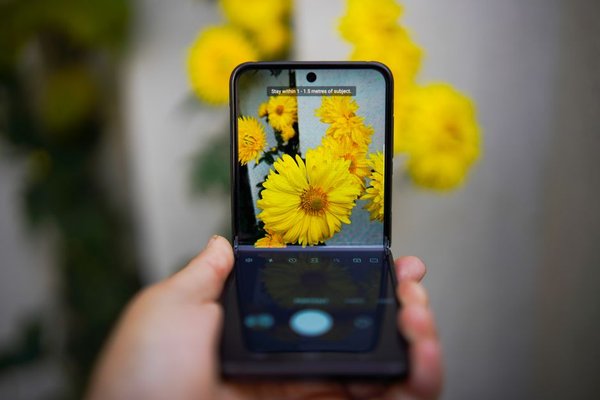
Foldable phones are no longer fragile experiments, but they still ask more of an owner than a conventional phone. The hinge has moving parts, the inner display is softer than standard glass, and a damaged folding panel can be expensive to replace. That is why durability remains the deciding question for many buyers: the experience can be excellent, but only if the extra flexibility fits the way you actually use and carry a phone.
Modern foldables have improved substantially. Stronger frames, better hinge designs, tougher outer glass and meaningful water resistance are now common on premium models. Some newer devices have also improved dust protection. The catch is that “more durable” does not mean “as carefree as a normal flagship.” Understanding the remaining weak points is the best way to decide whether a foldable is worth the trade-off.
How durable are foldable phones in 2026?
For everyday use, a current-generation foldable can be durable enough for years of normal opening, closing, commuting and pocket use. Samsung rates the Galaxy Z Fold7 at IP48 and says its updated hinge and thicker ultra-thin glass improve durability. Google’s Pixel 10 Pro Fold carries an IP68 rating, and Google markets its hinge as capable of handling more than 10 years of folding under its test assumptions.
Those claims are useful, but they are not guarantees of a specific foldable screen lifespan. Lab tests cannot reproduce every drop, grain of sand, overstuffed bag or accidental fingernail press. Real durability depends on the flexible display, hinge environment and how the phone is treated.
The hinge is less worrying than it used to be
On newer models, hinge engineering is more mature, and ordinary folding is not usually the part buyers should fear most. A bigger concern is contamination or impact: grit around a hinge, a hard drop onto the hinge edge, or debris trapped between the two halves can cause problems that a fold-cycle test does not measure.
The IP rating therefore matters. An IP68 foldable has a stronger dust-resistance specification than an IP48 model. With IP48, the “4” does not mean dust-tight. If you regularly work around sand, fine dust, construction debris or workshop particles, that difference matters.
The inner screen is still the main durability compromise
The folding display has to bend, so it cannot behave exactly like hard cover glass. Google’s foldable-care guidance describes flexible screens as softer than traditional phone screens and warns against fingernails, crumbs, sharp objects and fine particles. Samsung similarly warns users not to press the main screen with hard or sharp objects.
This does not make the screen fragile in normal use. It simply means the risk profile is different. A small object trapped inside before folding can be more serious than the routine opening and closing of the device.
- Check the inner display before closing the phone after using it around sand, crumbs or dust.
- Do not press on the crease with a fingernail or sharp object.
- Keep the factory-installed inner screen protector in place unless the manufacturer or an authorised repair centre advises replacement.
- Use a case that protects the corners and hinge area without interfering with movement.
A practical example: if you use the phone unfolded while eating lunch, brush the screen clean before closing it. One hard crumb trapped between the halves is a more realistic durability threat than reaching an advertised hinge-cycle limit.
What about the crease and screen protector?
A visible crease is normal on many foldables and is not automatically a sign of failure. More important warning signs include a lifting screen protector, dead pixels, touch problems, new cracking sounds, or a hinge that no longer opens smoothly.
The pre-installed protector is part of the foldable display system, not just a disposable accessory. Samsung recommends against user removal and advises authorised service when replacement is needed. Treating it like an ordinary tempered-glass protector can turn a small maintenance issue into screen damage.
For related ownership advice, see how to care for a foldable phone and best foldable phone cases.
Foldable phone repair cost changes the buying equation
A main folding display is a specialised assembly, and official repair pricing can be much higher than replacing a conventional outer screen. Costs vary by model, country, warranty status and the parts required, so there is no useful single price that applies to every foldable.
Before buying, check the manufacturer’s local out-of-warranty price for the inner display. Then compare any accidental-damage cover. If one major repair would make you regret the purchase, include protection in the real cost of ownership. Our phone insurance and repair plans guide can help with that comparison.
So, are foldable phones worth it for durability-conscious buyers?
Yes, for many people—but not because durability concerns have disappeared. They are worth it when the larger screen, compact folding design or multitasking benefits are valuable enough that you accept a little more care and potentially higher repair exposure.
A foldable is a sensible choice if you normally use a case, keep your phone away from sand and grit, follow inner-screen care guidance, and can budget for protection or repair. A conventional flagship is still the safer buy if you frequently drop phones, work in dusty environments or simply do not want to think about how you close and carry your device.
FAQ
How long does a foldable phone screen last?
There is no universal lifespan. Modern hinges are tested for large numbers of folds, but real-world screen life also depends on impacts, debris, pressure and care. Fold-cycle claims are controlled-test indicators, not promises that every device will last a set number of years.
Are foldable phones easy to break?
Current models are much tougher than early foldables, but the inner screen remains softer than conventional glass. Sharp pressure, trapped debris, severe drops and improper screen-protector removal are bigger concerns than normal folding.
Are foldable phones waterproof?
No phone should be treated as waterproof. Some modern foldables have strong water-resistance ratings, including IP68 on the Pixel 10 Pro Fold and IP48 on the Galaxy Z Fold7, but resistance can diminish with wear or damage. Follow the manufacturer’s limits.
Is a foldable worth buying without insurance?
It can be for careful users, but check the local foldable phone repair cost first. If an inner-screen replacement would be financially painful, accidental-damage cover may make the purchase easier to justify.
Final verdict
Foldable phone durability is now good enough that fear of the hinge alone should not stop most careful buyers. The real decision comes down to the softer inner display, exposure to dust and debris, and the cost of a major repair. Buy a recent model with a strong IP rating, understand the manufacturer’s screen-care guidance, and price repair protection before checkout. If those conditions fit your habits, a foldable can be a practical daily phone rather than a fragile novelty.